
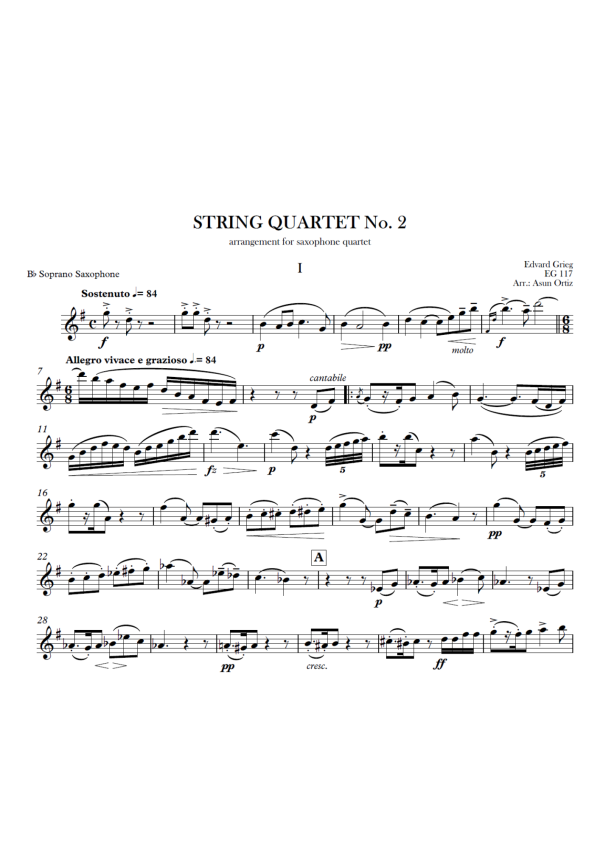
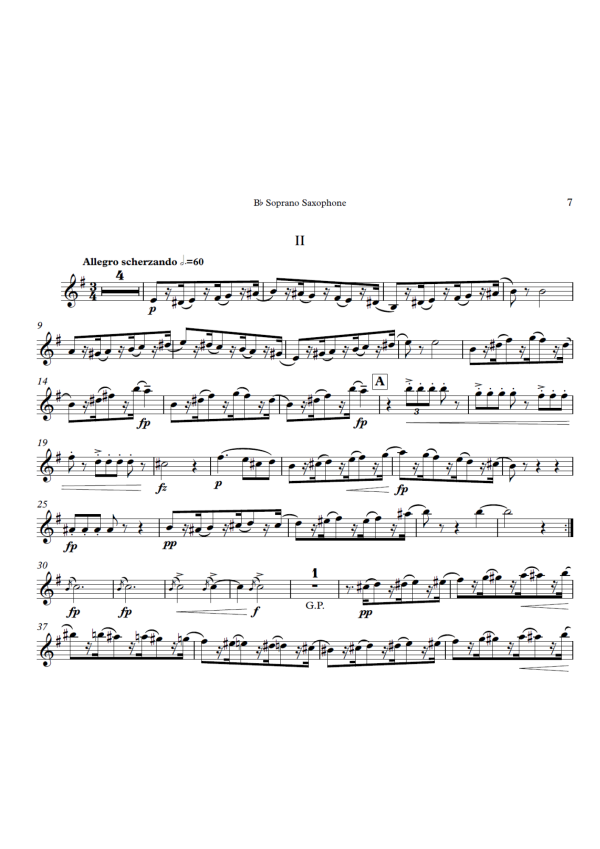
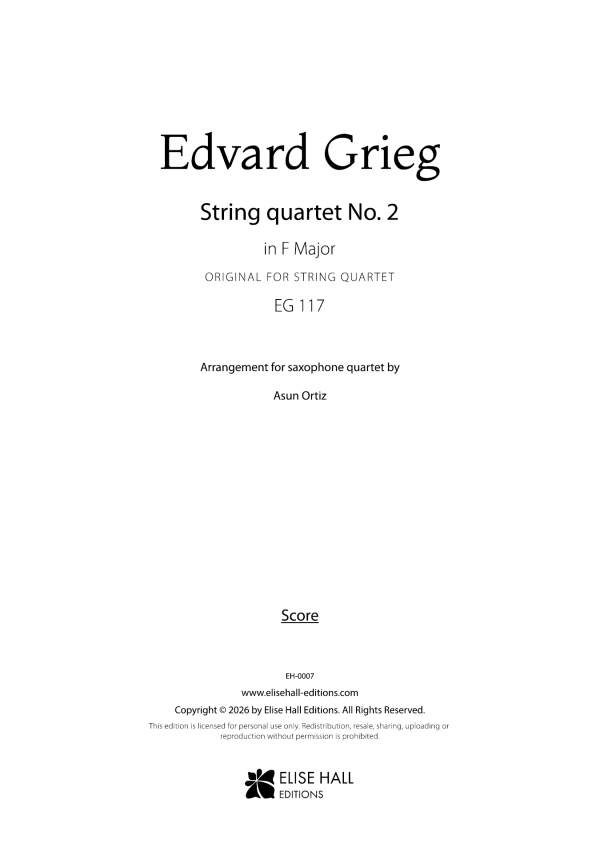
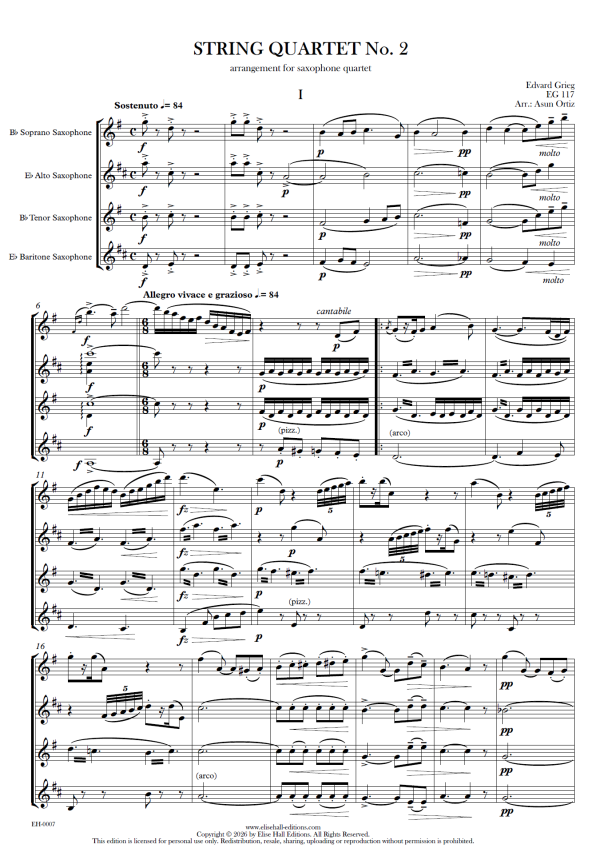
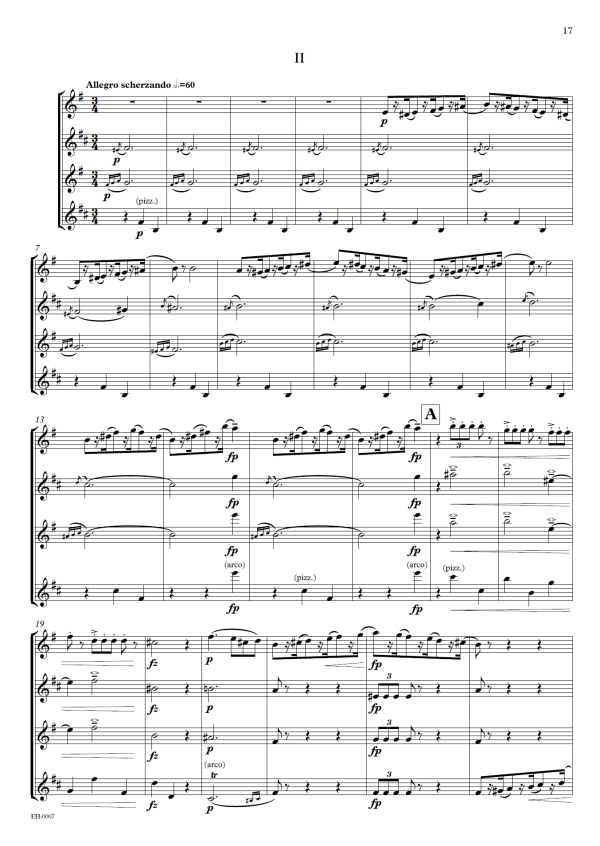
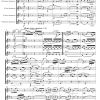
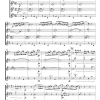
Composed in 1878, Edvard Grieg’s String Quartet No. 2 in F major belongs to a period of creative maturity in which the composer combines the heritage of German Romanticism with a distinctly Nordic musical voice. The work is notable for its lyrical intensity, dramatic contrasts, and a treatment of thematic material that moves between rhythmic energy and moments of profound introspection.
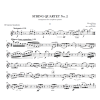
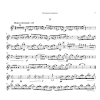
This version for saxophone quartet transfers the original language of the string quartet into a new timbral context. The arrangement remains faithful to Grieg’s score, while requiring adaptation in certain passages —particularly those involving double stops and dense harmonic writing— where the voices have been redistributed to suit the possibilities of the saxophone quartet. These decisions have been made with the aim of preserving both the coherence of the musical discourse and the expressive essence of the work within this new chamber music setting.